Common Causes of Concrete Foundation Damage
Homeowners seeking foundation damage repair often want to understand common causes of concrete foundation damage, and local contractors can assess and fix issues caused by shifting, water, or settling.
Understanding the common causes of concrete foundation damage is essential for property owners seeking to protect their investments. Issues such as soil movement, poor drainage, and exposure to moisture can gradually weaken a foundation over time, leading to cracks, settling, or more serious structural problems. Recognizing these factors early can help homeowners and property owners in the area take proactive steps to prevent costly repairs down the line. Local contractors who specialize in foundation repair are well-equipped to assess these causes and recommend effective solutions tailored to each property’s unique needs.
Exploring the reasons behind foundation damage is a practical step for those noticing signs of shifting or cracking in their concrete structures. Factors like improper grading, water infiltration, and soil instability are common culprits that contribute to foundation issues. By understanding these causes, property owners can make informed decisions about maintenance and repairs. Local service providers experienced in foundation repair can assist in diagnosing the root causes and restoring stability, helping to preserve the integrity of the property for years to come.
- Soil settlement - when the ground beneath a foundation shifts or sinks, local contractors can evaluate and stabilize the structure to prevent further damage.
- Water intrusion - excessive moisture from poor drainage or plumbing leaks can weaken concrete, prompting service providers to implement waterproofing and drainage solutions.
- Tree root intrusion - roots growing close to a foundation can exert pressure and cause cracking, with local pros offering root removal and foundation reinforcement.
- Poor construction practices - improper pouring or inadequate reinforcement can lead to cracks and settling, and experienced contractors can identify and repair these issues.
- Frost heave - freeze-thaw cycles can cause soil expansion and contraction, with local service providers addressing this through soil stabilization and foundation repair methods.
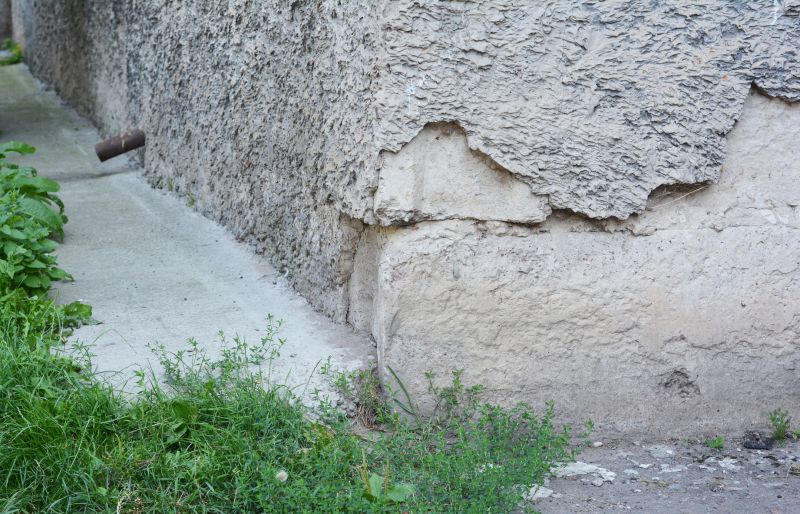
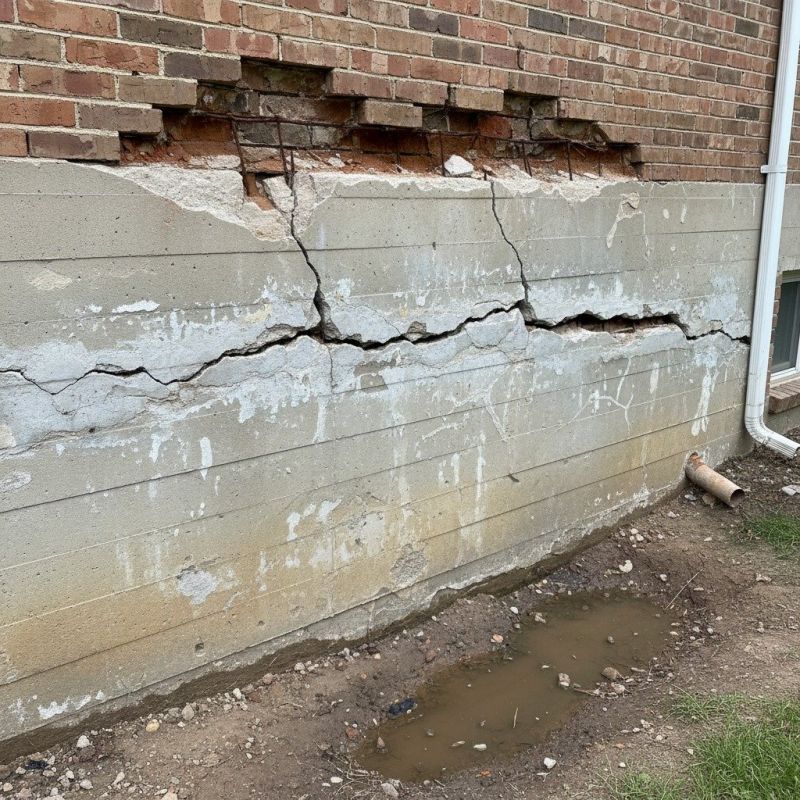
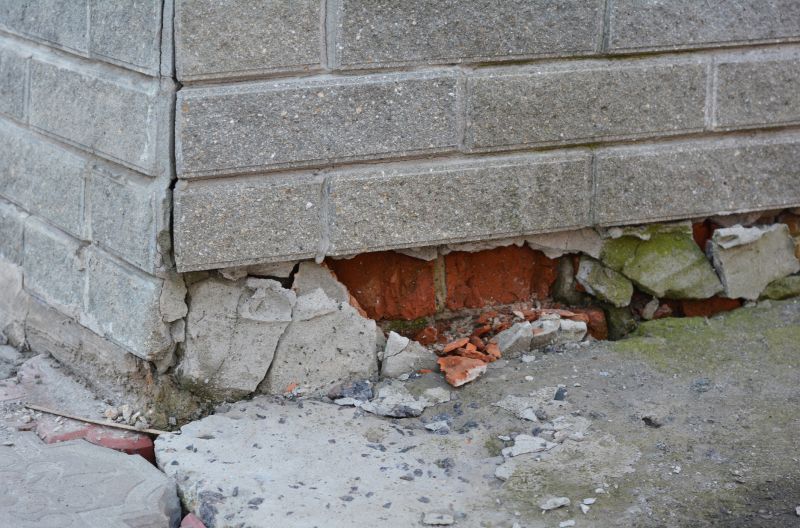
Understanding the common causes of concrete foundation damage is essential for homeowners who want to protect their property and ensure its longevity. When people search for this topic, they are often concerned about the structural integrity of their homes and how to prevent costly repairs. Foundation damage can stem from a variety of issues, including soil movement, water intrusion, and poor construction practices. Recognizing these causes helps homeowners identify early warning signs and plan appropriate repairs with the help of local contractors who specialize in foundation repair. Being informed about the root causes also supports proactive maintenance, reducing the risk of extensive damage over time.
The problems associated with foundation damage are diverse but often interconnected. For instance, shifting or expansive soils can exert pressure on the concrete, leading to cracks or uneven settling. Water-related issues, such as poor drainage or plumbing leaks, can weaken the soil beneath the foundation, causing it to shift or sink. Additionally, construction flaws like inadequate reinforcement or improper curing can make concrete more vulnerable to damage. These issues are typically addressed through targeted repairs by local service providers who understand the specific causes affecting properties in the area. Proper diagnosis by these professionals ensures that the underlying problem is resolved, preventing further deterioration and maintaining the stability of the home.
Concrete foundation damage frequently affects residential properties, especially those built on expansive clay soils, which are common in many regions. These properties often include single-family homes, townhouses, and small apartment buildings. Commercial properties with concrete foundations can also experience similar issues, particularly if they are situated in areas prone to moisture fluctuations or soil movement. The damage may manifest as cracks in the foundation walls, uneven flooring, or doors and windows that no longer close properly. Homeowners with basements or crawl spaces are particularly aware of these problems, as they directly impact the safety and usability of their living space. Local contractors experienced in foundation repair can assess the extent of damage and recommend appropriate solutions tailored to the property type and underlying causes.
Addressing common causes of concrete foundation damage involves understanding how external factors interact with the structure. Soil conditions, moisture levels, and construction quality all play a role in the health of a foundation. Local service providers are equipped to evaluate these factors through detailed inspections and recommend repairs that target the specific issues. Whether it’s installing proper drainage systems, reinforcing cracks, or stabilizing soil, these professionals help homeowners restore stability and prevent future problems. Recognizing the causes of foundation damage and working with experienced local contractors ensures that repairs are effective and durable, safeguarding the property’s value and safety over time.
Slab foundation repair involves similar skills in assessing soil conditions and addressing settling issues, which are common causes of concrete foundation damage.
Basement waterproofing projects require understanding of moisture intrusion and drainage problems that can lead to foundation deterioration over time.
Retaining wall construction shares planning and soil stabilization techniques crucial for preventing foundation shifts caused by soil movement.
Drainage system installation focuses on managing water flow around structures, helping to mitigate issues like erosion and excessive moisture that damage foundations.
Soil stabilization services involve soil testing and treatment methods similar to those used in diagnosing and fixing foundation issues caused by soil instability.
Concrete leveling and lifting require expertise in addressing uneven slabs, a common symptom of foundation settlement and related causes of damage.
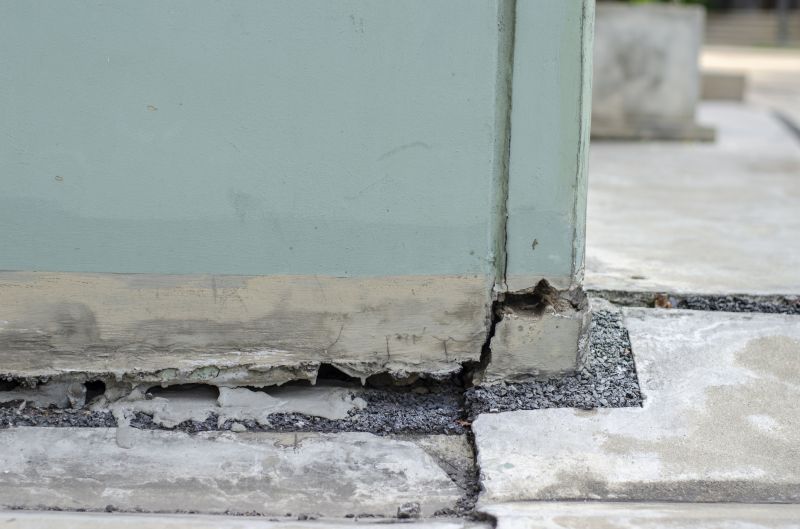
When comparing service providers for foundation damage repair, it’s important to consider their experience with similar projects. Local contractors who have handled issues related to common causes of concrete foundation damage are more likely to understand the specific challenges that can arise and how to address them effectively. Inquiring about their past work can provide insight into their familiarity with repairs involving foundation cracks, settling, or shifting caused by factors such as soil movement or moisture issues. An experienced professional can help ensure that the repair methods used are appropriate for the type of damage and the underlying causes.
Clear written expectations are essential when evaluating foundation repair services. Reputable service providers should be able to provide detailed descriptions of the scope of work, the methods they plan to use, and what the homeowner can expect during and after the repair process. Having this information in writing helps prevent misunderstandings and ensures that both parties are aligned on the project’s goals. It also allows homeowners to compare different proposals more effectively, focusing on the quality and thoroughness of the repair plans rather than just price or superficial assurances.
Reputable references and strong communication skills are key indicators of a trustworthy local contractor. Service providers who can offer references from previous clients with similar foundation issues demonstrate their track record of successful repairs. Good communication throughout the process is equally important, as it helps homeowners stay informed about the progress, understand the causes of the damage, and ask questions about repair options. Choosing a contractor who values transparency and responsiveness can lead to a smoother experience and better outcomes when addressing common causes of concrete foundation damage.
Property owners often search for common causes of concrete foundation damage when they are planning practical projects around their homes and businesses. Local pros provide Foundation Damage Repair services for everyday jobs and straightforward project options.
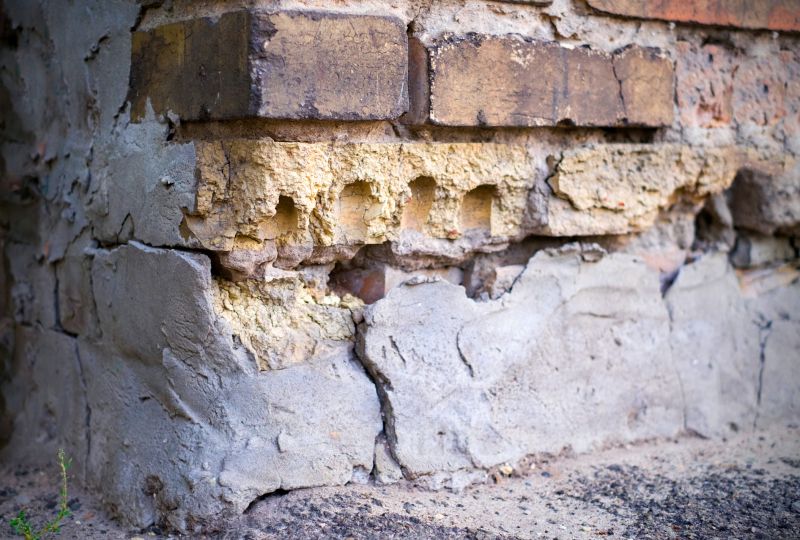
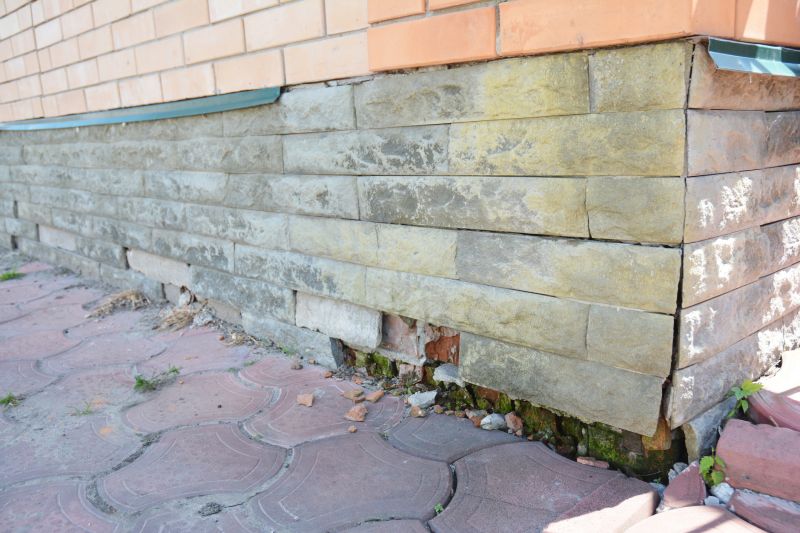
Understanding the common causes of concrete foundation damage can help property owners in the area recognize early signs of trouble and seek appropriate repair services. Many issues stem from natural soil movement, such as shifting or settling, which can be triggered by changes in moisture levels-whether from heavy rainfall, drought conditions, or improper drainage around the property. Additionally, poor construction practices or inadequate foundation design may lead to vulnerabilities that worsen over time, especially when combined with local soil characteristics. Homeowners often look into foundation repair services after noticing cracks, uneven floors, or doors and windows that no longer close properly, all of which can result from these everyday project situations.
Local contractors who specialize in foundation damage repair are equipped to address these common problems. They can assess the specific causes affecting a property, whether it’s soil movement, moisture issues, or structural deficiencies, and recommend effective solutions. Property owners seeking to restore stability and prevent further damage often turn to experienced service providers who understand the unique challenges of the area’s soil and climate. Connecting with local experts can ensure that foundation repairs are handled efficiently, helping maintain the safety and integrity of the home.
What are common causes of concrete foundation damage? Common causes include soil movement, poor drainage, and improper construction practices, which can lead to cracks and settling. Local contractors can assess the specific issues affecting a foundation and recommend appropriate repairs.
How does soil movement damage a foundation? Soil expansion or contraction due to moisture changes can exert pressure on the foundation, causing cracks or shifting. Local service providers can identify soil-related problems and suggest solutions to stabilize the foundation.
Can poor drainage contribute to foundation damage? Yes, inadequate drainage can lead to water pooling around the foundation, increasing soil moisture and causing erosion or swelling. Local pros can help improve drainage systems to protect the foundation.
What construction issues can cause foundation problems? Improperly poured or reinforced concrete, or inadequate foundation depth, can lead to vulnerabilities. Skilled local contractors can evaluate construction quality and recommend necessary repairs or reinforcements.
Are environmental factors a common cause of foundation damage? Environmental factors like heavy rainfall or drought can cause soil conditions to change, impacting the foundation. Local service providers can assess these factors and perform repairs to address damage caused by environmental conditions.
Soil erosion and shifting ground can cause uneven pressure on foundations, prompting property owners to seek soil stabilization services from local contractors.
Poor drainage systems may lead to water pooling around the foundation, encouraging property owners to install proper drainage solutions with the help of local service providers.
Tree roots growing near the foundation can exert pressure and cause cracks, making it practical to have local pros assess and manage root intrusion issues.
Extreme weather conditions such as heavy rain or drought can impact soil stability, leading property owners to consider foundation inspections and repairs from experienced local contractors.
If you are thinking about common causes of concrete foundation damage for a property, this guide is meant to help you understand this topic, the typical project types, and how different options might fit your plans.
When you are ready, you can use the quote form on this page to share a few details about your project. From there, local pros can review the basics and follow up with options that match what you have in mind.